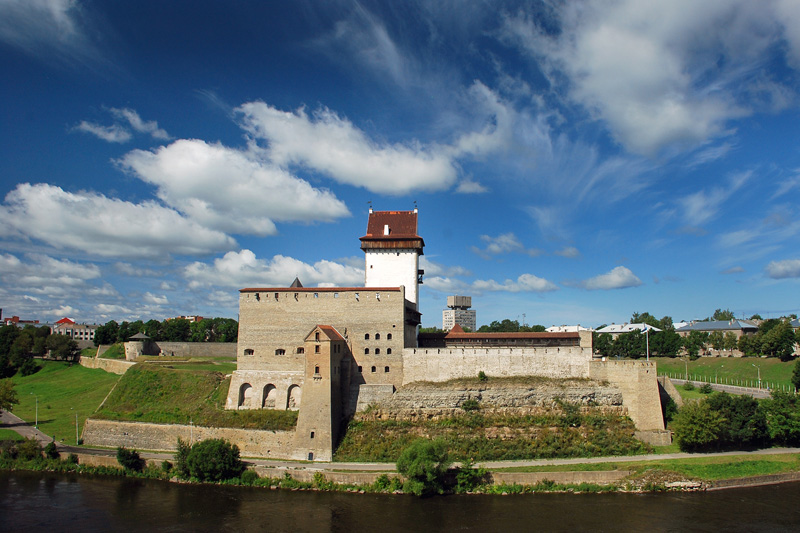
Narva Castle (Peterburi maantee 2, Narva) — In the seventh decade of the 13th century, the Danes established a castle as a residence for the Danish King’s vice-Regent. The Narva Castle is the most diverse and best preserved defense structure in Estonia. The area of the castle is 3.2 hectares, and the highest point is […]
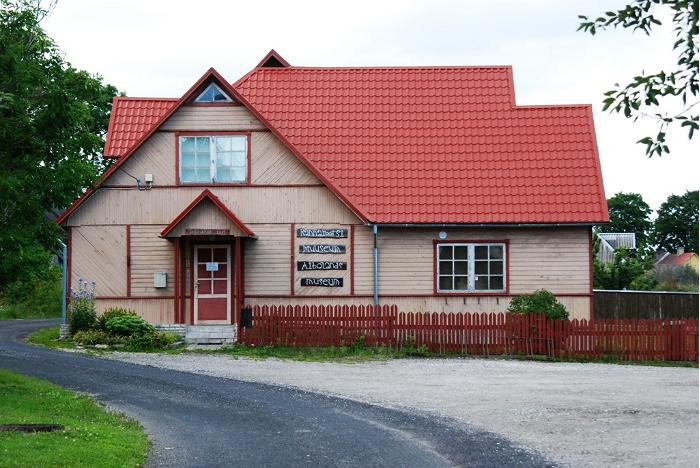
Museum of the Coastal Swedes (Sadama tn 32, Haapsalu) – this museum introduces the thousand-year-old settlements of the coastal Swedes in Estonia. Within this structure, inaugurated by the King of Sweden, you can acquaint yourself with their unique cultural heritage and see a 20-metre embroidered rug that depicts the life of the Estonian-Swedes. There is […]
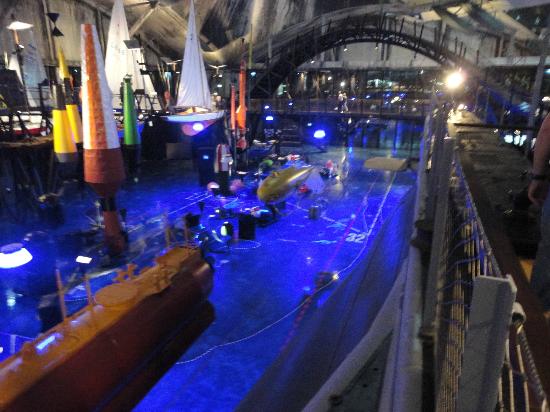
Lennusadam Seaplane Harbour – this is another museum that highlights Estonia’s connection to the sea. Its highlights include seaplane hangars that were initially built as part of the naval fortress of Peter the Great in 1916-1917, the Lembit Submarine (the world’s only surviving mine-laying submarine from the 1930s), a full-size replica of the British seaplane […]
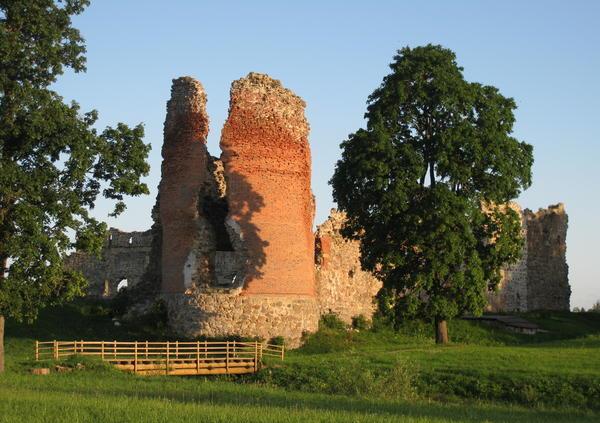
Laiuse Fortress Ruins (Laiusevälja küla, Jõgeva vald, Jõgeva maakond) – this fortress was originally built by the Livonian Order during the late 1300s, for defense of Estonia’s eastern border. The first defensive structure in Estonia to be fitted with firearms, it gained its definitive appearance in the late Middle Ages. Cannon towers were added to […]
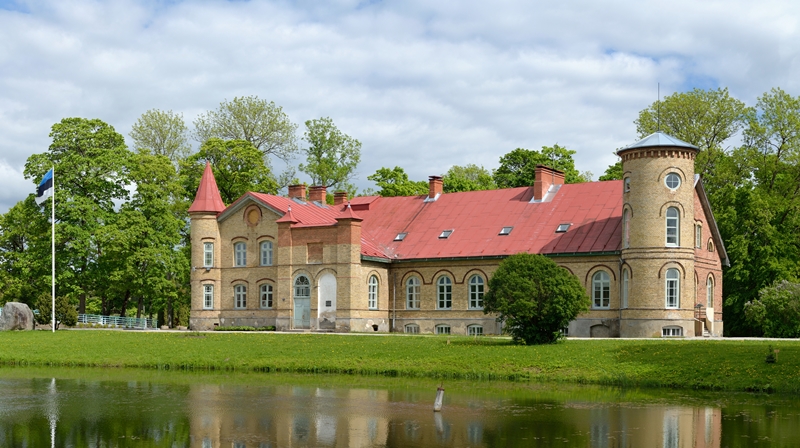
Lasila Manor (Vahtra puiestee 17, Lasila küla, Rakvere vald, Lääne-Viru maakond) — Lasila Manor is best known for the von Baers, who were the lords of this residennce in the early 19th century. World-famous biologist Karl Ernst von Baer lived here during his childhood. The manor then belonged to the von Ungern-Sternbergs and the von […]
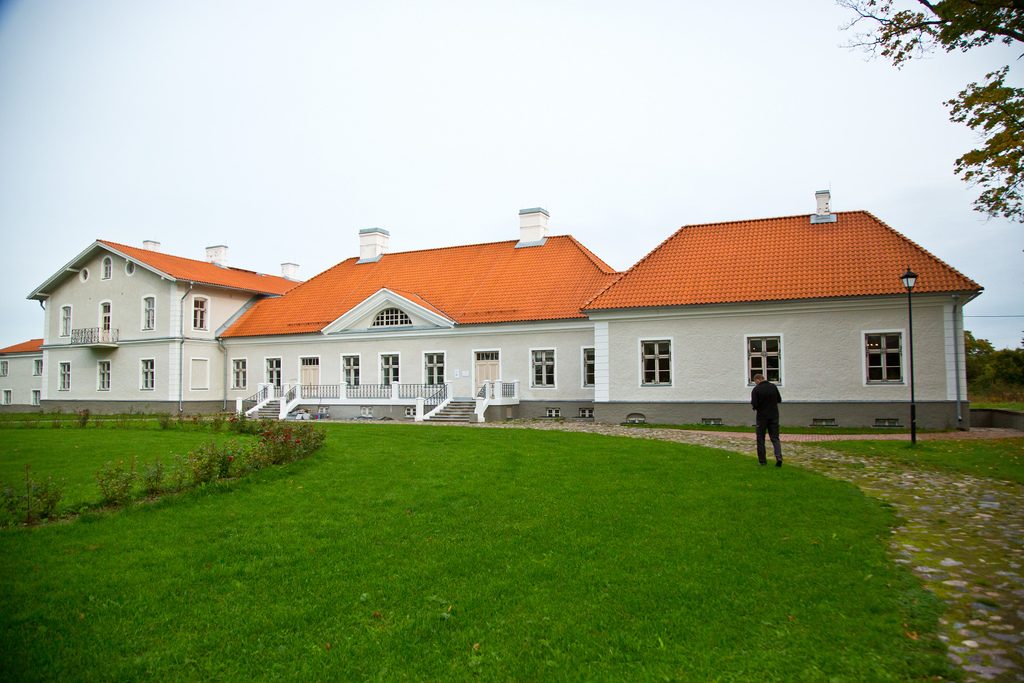
Kukruse Polar Manor (20, Kukruse küla, Kohtla vald, Ida-Viru maakond) – here, you can learn about the adventurous lives of polar researcher and geologist Eduard von Toll, and archivist Robert von Toll — who pioneered the conscious use of oil shale. You can do all this and try out the lives of the 18th and […]
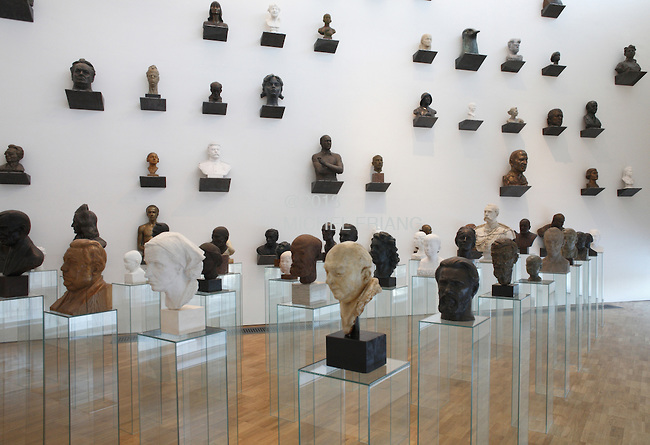
Kumu Art Museum (A. Weizenbergi tn 34, Tallinn) — Kumu, which opened in 2006, is the new and grand headquarters of the Art Museum of Estonia, which attracts everyone that is interested in Estonian art and culture. Both Estonian art classics as well as the works of artists that cultivate modern trends are on display […]
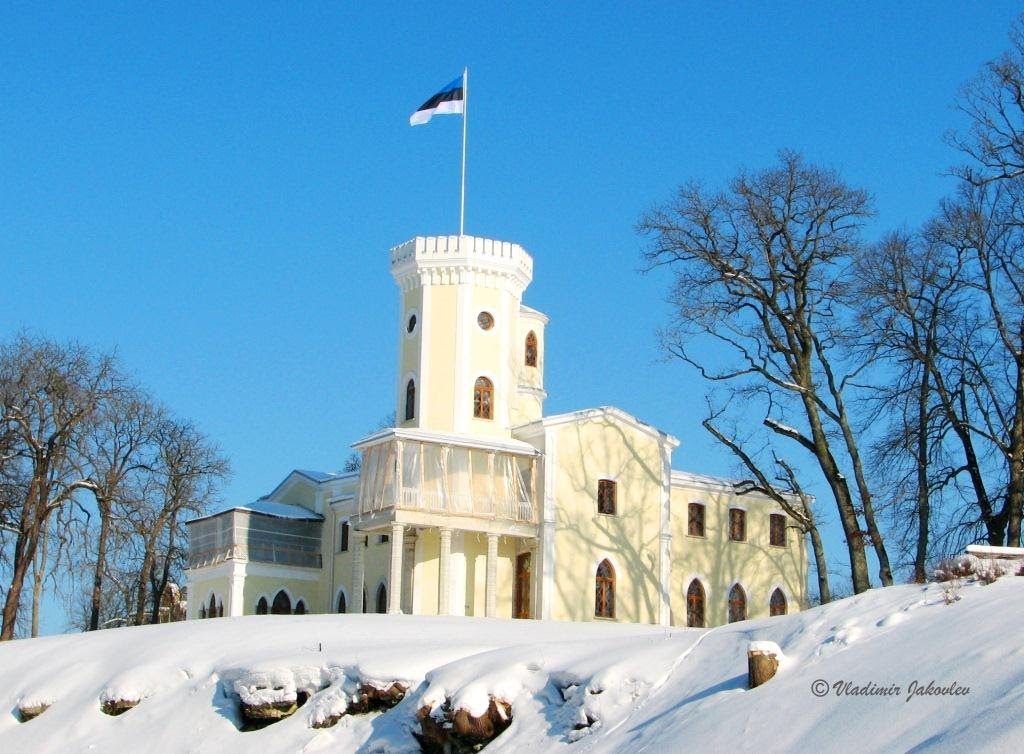
Keila-Joa Manor (Lossi tn-Keila-Joa loss, Keila-Joa alevik, Keila vald, Harju maakond) – located just outside of Tallinn, this manor complex was built in 1833 in neo-gothic style (designed by Hans von Stackenschneider — who in time became one of the Majo representatives of the historicist style in Russia. Along with its architecture, what makes the […]
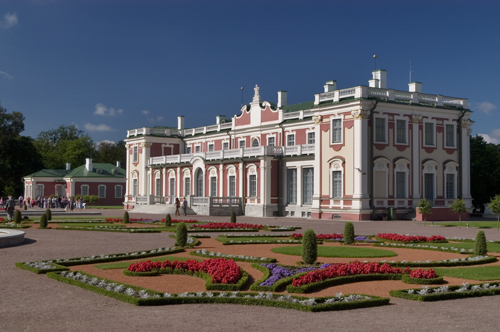
Kadriorg Art Museum (A. Weizenbergi tn 37, Tallinn) — The Kadriorg Art Museum introduces, preserves and collects early foreign art – primarily western European and Russian paintings, graphic arts, sculpture and applied arts. The museum is located in Kadriorg Park in Tallinn, in a Baroque palace built by Tsar Peter the Great of Russia as […]
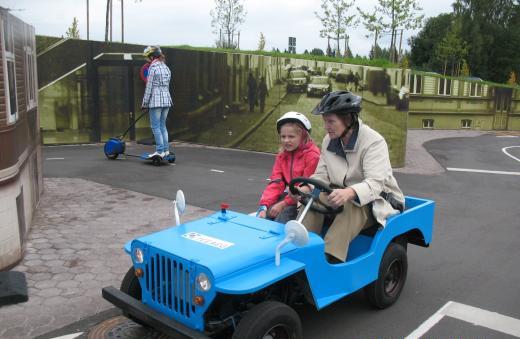
Estonian Road Museum (Varbuse, Kanepi vald, Põlva mk, Põlva) – located 2 ½ hours (230 km) southeast of Tallinn, this museum was created in the late 1990s. It is the center of history of Estonian roads, with the view of mediating its scientific, educational and entertaining points to the public. When choosing the location, the […]